Environmental Engineering Services, Lead and Copper Rule Revisions (LCRR) Compliance Assistance for Waiāhole Valley Water System
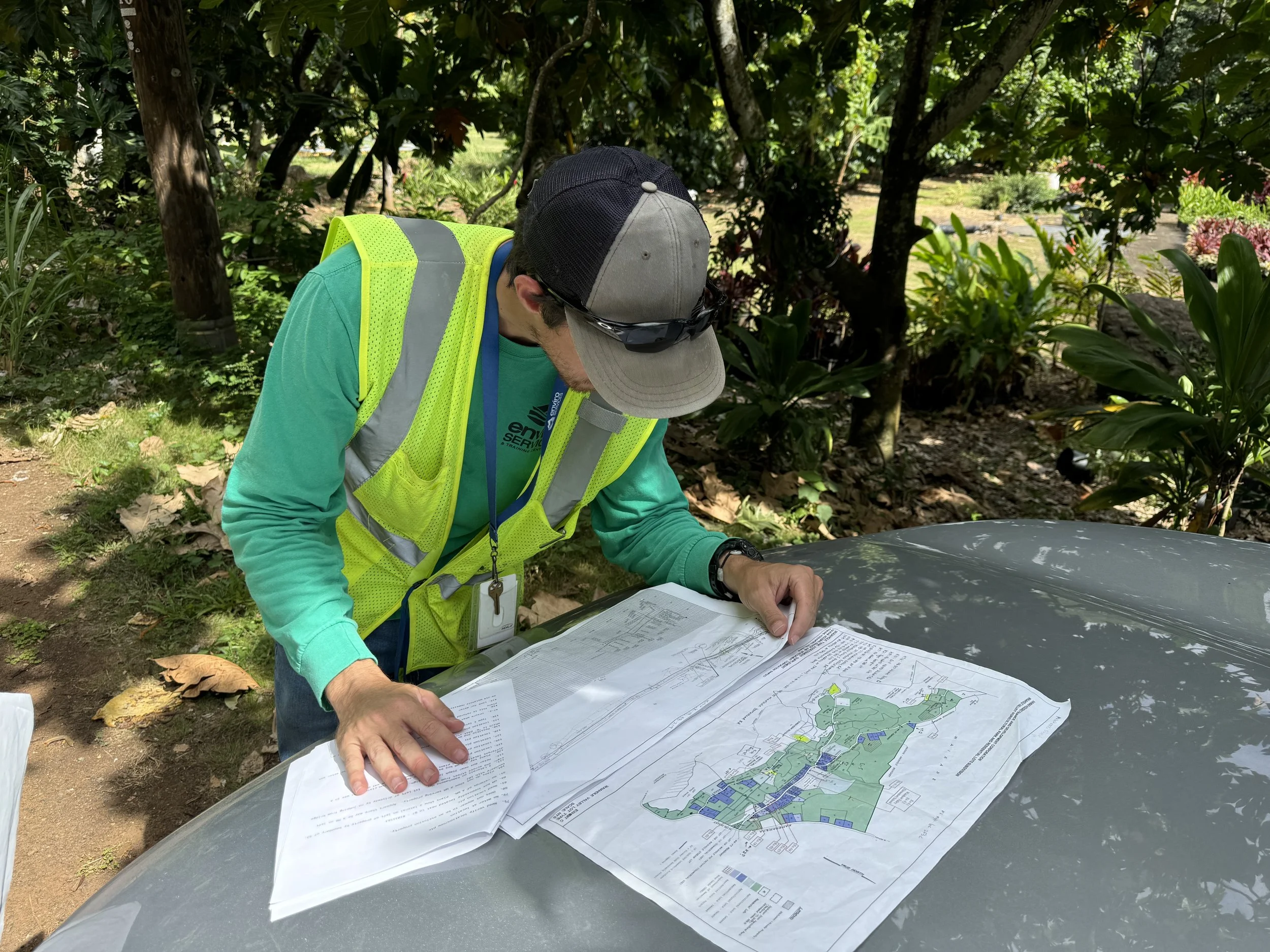
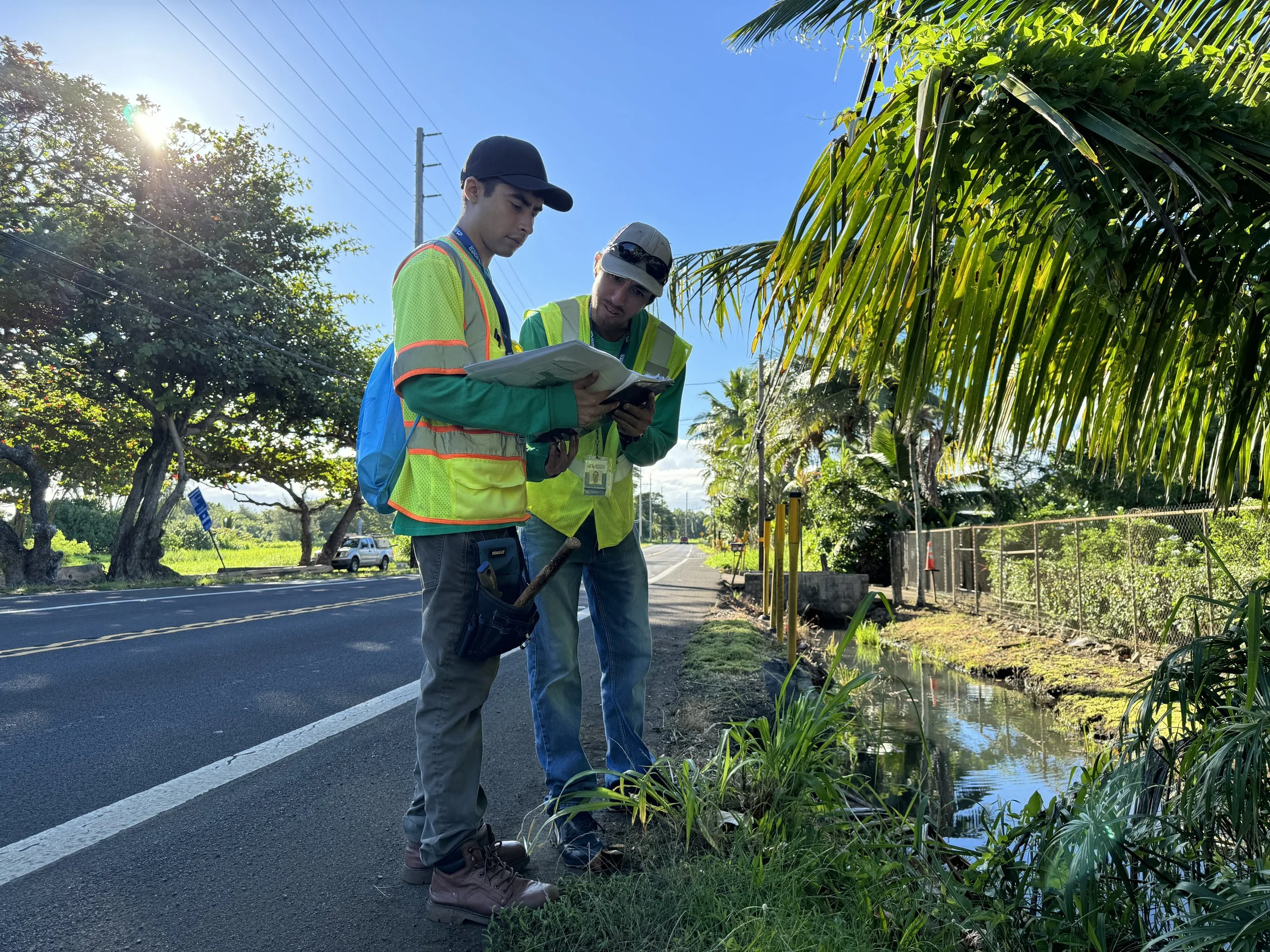
EnviroServices & Training Center (ETC) provides professional water quality and technical services as a consultant for the Hawai‘i Housing Finance and Development Corporation (HHFDC) in support of the Environmental Protection Agency (EPA) Lead and Copper Rule Revision (LCRR) compliance efforts. The purpose of the LCRR is to enhance protection to consumers, especially children at schools and childcare facilities, from the risks of lead exposure by identifying and removing potential sources of lead contamination from public and private drinking water systems.
More specifically, ETC’s work includes:
Assisting in the development of a lead service line inventory to identify the materials of service lines connected to the public water distribution system by reviewing databases, engineering plans, specifications, as-built drawings, and plumbing codes. Creating a list of all laterals and materials, including unknown materials (i.e., lead status unknown). Conducting field investigations for laterals of unknown materials by opening meter boxes and conducting physical tests and observations including magnetic check, scratch test, color inspection, joints and fittings inspection and in-situ lead tests on both utility owned and customer owned sides of the meter. Potholing, if necessary, to make determinations of these materials is provided, including coordination with State Historic Preservation Division for ground disturbing activities. Providing public outreach, as needed, in the forms of mailings, flyers and community presentations.
Developing and implementing a Residential Tap Sampling Plan based on the revised tiering criteria of the LCRR to classify all service lines in the inventory, selecting the required number of sites to be sampled (based on water system size/population served), developing standard operating procedures, submitting samples to a certified lab, reviewing and compiling results, and providing technical guidance. Implementing “Find and Fix” procedures, including water quality parameter sampling and follow-up sampling as necessary. Providing notification of tap sampling results to customers. Reporting results and any rule requirements including the 90th Percentile level of water system sampling results.
Assisting with the development of full and partial Lead Service Line (LSL) Replacement Plans. The LSL replacement plans include procedures for notifying customers of replacement actions, providing and tracking water pitcher filters, replacement goal rates in the event the lead trigger level is exceeded, procedures for flushing, risk mitigation, and replacing plumbing.
Identifying and compiling a list of school and childcare facilities served by the water system. Similar to residential sampling efforts, preparing a sampling plan, communicating with stakeholders, developing standard operating procedures, submitting samples to a certified lab, reviewing and compiling results, and providing technical guidance.
Notable Project Accomplishments:
Optimized sampling activities through the implementation of productive workflow processes and highly-trained staff. Frequent and early communication with stakeholders also fostered positive interactions with residents, school administrators, analytical laboratories certified by the EPA, and regulators. This effort increased tap sampling participation rates in all water systems and reduced the number of invalid samples due to sampling errors and laboratory handling.
Utilization of innovative technology to track and centralize project data in a Geographic Information System (GIS) database, which allowed the project team to visualize water meters, service line laterals, and property parcel data leading to more efficient execution of field activities.
Gathered meta-data from all field activities providing additional metrics to improve time management and overall performance.